
Si vous êtes en état de détresse, veuillez appeler ou texter le 988 n’importe quand. En cas d’urgence, appelez le 9-1-1 ou rendez-vous à votre service d’urgence local.

Aider les enfants à développer de la résilience face à l’intimidation

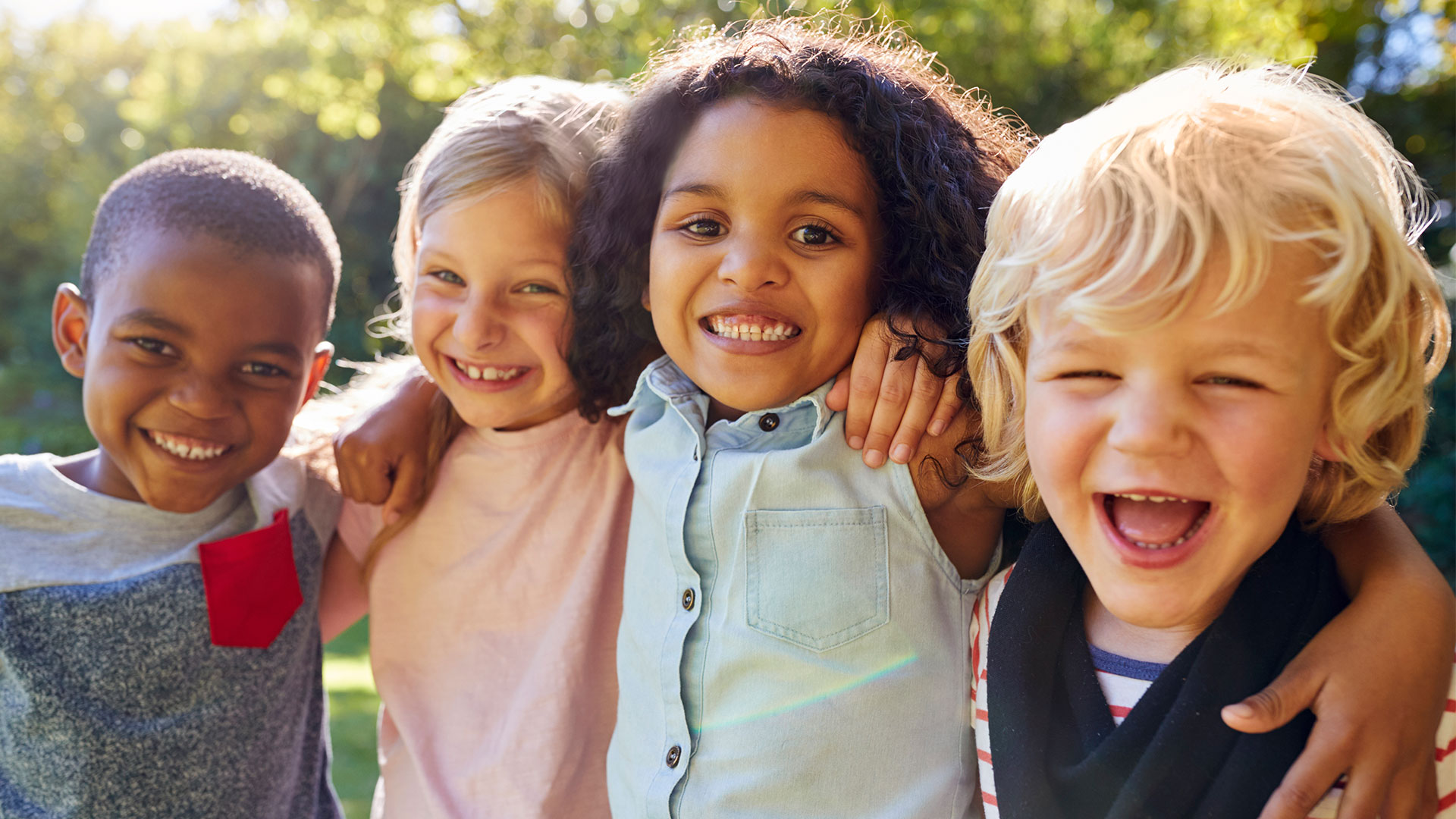
Au Canada, au moins un adolescent sur trois a déclaré être victime d’intimidation et près de la moitié des parents ont déclaré avoir un enfant victime d’intimidation. Pourtant, dans la plupart des cas, les brimades cessent en moins de 10 secondes lorsque les pairs interviennent ou ne soutiennent pas le comportement d’intimidation.
mai 2022
Helping kids build resilience to bullying

Restez à l’affût!

Abonnez-vous au magazine Le Vecteur dès aujourd’hui!

Articles connexes

Dans ce quatrième et dernier article de la série, nous explorons les coûts de...
Le manque d’options en matière de logement entraîne un sentiment de mal du pays...
Surmonter la stigmatisation, le chagrin et la perte et emprunter le chemin de la...
In Canada, at least 1 in 3 adolescent students have reported being bullied and almost half of parents have reported having a child that is the victim of bullying.  Yet, in most cases, bullying stops within 10 seconds when peers intervene, or do not support the bullying behaviour. Kids who are bullied are not the only ones affected. Those who witness it as well as the bullies themselves can be seriously impacted. Kids who are bullied are more likely to experience negative outcomes:

  • Depression and anxiety, increased feelings of sadness and loneliness, changes in sleep and eating patterns, and loss of interest in activities they used to enjoy. These issues may persist into adulthood.
  • Low self-esteem and difficulty trusting others
  • Health issues
  • Decreased academic achievement
Bullying is preventable. Research shows that kids can develop traits that are correlated to better outcomes when faced with bullying:
  • solid self-esteem
  • assertiveness
  • strong social skills
  • healthy friendships
Kids with these traits are not only less likely to be targeted by bullies but also are better equipped to deal with bullying if it does happen. Some kids appear to come by these traits naturally, but the fact is that kids can develop effective coping skills such as emotional resilience. There are many ways we can help kids to develop resilience. Here are a few:
  • Self esteem
  • Positive thinking
  • Feelings management
  • Problem solving skills
  • Self-discovery opportunities
Preventing bullying is everyone’s responsibility. One easy way to start is to inform yourself. You can find a wealth of information and tips about bullying online but it’s always a good idea to be careful and get your information from trusted sources. Check out some of the links in this article to learn more about bullying from some of the experts. Despite the increasing number of schools adopting bully prevention programs, their effectiveness has been shown to vary. Some of the more successful approaches focus on the root causes of bullying behaviour while teaching social and emotional intelligence. Social-emotional learning involves developing self-awareness, self-control, and interpersonal skills.  Parents, family, and peers can help kids to build these skills that will not only help to prevent bullying, but will lead to success at school, at work, and in life.

Nicole Chevrier Nicole Chevrier
Nicole Chevrier is Marketing and Communications professional. Mental health is one of her passions. Nicole is an avid writer and photographer. A first-time author, she recently published her first children’s book to help children who are experiencing bullying. When she isn’t at her desk, Nicole loves to spend her time doing yoga and meditation, ballroom dancing, hiking, and celebrating nature with photography. She is a collector of sunset moments.

On ne peut rien apprendre d’une fenêtre pop-up

Mais il y a beaucoup à apprendre de notre magazine numérique, des experts et de ceux qui ont vécu l'expérience. Recevez chaque mois des conseils et des idées dans votre boîte aux lettres électronique gratuitement!

S'abonner à Le Vecteur

Close the CTA
This field is hidden when viewing the form